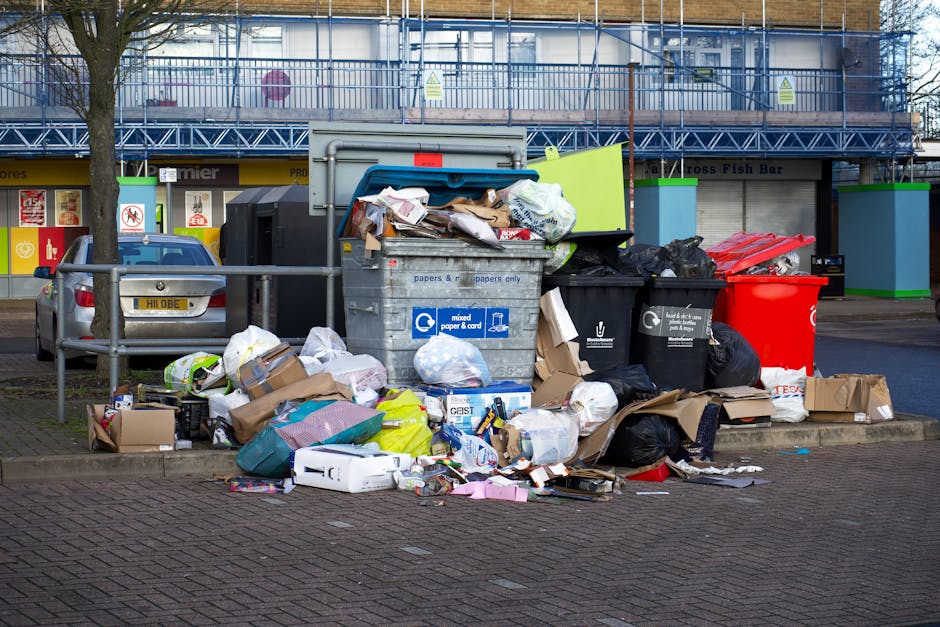
Solutions for delays with bulky rubbish removal Kings Langley
If you have ever had a sofa stuck in the hallway, a broken wardrobe blocking the spare room, or a garden pile that seems to grow by the hour, you will know the feeling: bulky waste rarely leaves when you want it to. That is exactly why Solutions for delays with bulky rubbish removal Kings Langley matter. Delays are frustrating, but they are also usually avoidable once you know what causes them and what to do next.
This guide breaks down the practical fixes, the planning tricks that save time, and the service choices that help you get bulky items cleared without the usual faff. It is written for homeowners, landlords, tenants, businesses, and anyone else who just wants the job done properly. No drama. No endless waiting around. Just clear, useful advice.
For readers comparing service options, it can also help to look at related pages such as house clearance, furniture clearance, garage clearance, and waste removal so you can match the right type of clearance to the right job.
Table of Contents
- Why Solutions for delays with bulky rubbish removal Kings Langley Matters
- How Solutions for delays with bulky rubbish removal Kings Langley Works
- Key Benefits and Practical Advantages
- Who This Is For and When It Makes Sense
- Step-by-Step Guidance
- Expert Tips for Better Results
- Common Mistakes to Avoid
- Tools, Resources and Recommendations
- Law, Compliance, Standards, or Best Practice
- Options, Methods, or Comparison Table
- Case Study or Real-World Example
- Practical Checklist
- Conclusion
- Frequently Asked Questions
Why Solutions for delays with bulky rubbish removal Kings Langley Matters
Bulky rubbish causes delays for a simple reason: it is awkward. It does not move like a bin bag. A mattress, fridge, sofa, wardrobe, or pile of broken household items can slow down a room renovation, stall a move-out, or make a property harder to let or sell. In a busy place like Kings Langley, that delay can ripple through the rest of the week.
And it is not just about inconvenience. The longer bulky waste sits around, the more likely it is to become a nuisance. It takes up space, attracts dust, gets in the way of cleaners or decorators, and in some cases can create trip hazards or block access routes. If you have ever tried to carry a washing machine past a narrow landing, you will know the issue is not theoretical.
Delays also tend to get more expensive in hidden ways. A missed clearance can hold up tradespeople. A landlord may lose a rental day. A business may struggle with stock, access, or presentation. So the real value of solving the delay is not just speed. It is keeping the whole plan on track.
To be fair, most people do not need a perfect removal plan. They need a reliable one. That means knowing what is being collected, how it will be moved, where it will go, and what can slow the job down before the team even arrives.
Expert takeaway: The fastest bulky rubbish removal is rarely the one that feels rushed. It is the one that is prepared properly, priced clearly, and matched to the amount and type of waste you actually have.
How Solutions for delays with bulky rubbish removal Kings Langley Works
The basic idea is straightforward: identify the delay, remove the blockers, and make the collection as easy as possible for the crew. In practice, that means looking at access, item type, location, timing, and whether extra handling is needed.
1. Pin down the cause of the delay
Is the hold-up because the items are too heavy, the access is tight, the collection time was unclear, or the original service could not take certain materials? The fix depends on the reason. A delayed mattress collection needs a different response from a garage full of mixed bulky waste or a business clearance with multiple floors involved.
2. Match the service to the load
Choosing the right type of clearance can save a surprising amount of time. For example, a single sofa does not need the same approach as a full property cleanout. If you have furniture only, a focused furniture disposal or furniture clearance option may be more efficient. If the issue is a cluttered loft, loft clearance is more fitting. If the delay came from a larger home project, a broader home clearance can be the better fit.
3. Prepare the site so the collection can happen quickly
Most delays happen before the vehicle even arrives at the kerb. Items blocked by loose junk, narrow routes, or unbagged small waste take longer to move. Clear a path, group the items together if you safely can, and make sure any entry details are ready. A few minutes of prep can save a lot of standing about.
4. Confirm timing and access in plain English
It sounds obvious, but it matters. If a team needs to know about stairs, parking constraints, shared entrances, gated access, or locked communal areas, tell them early. In flats, for example, a missed lift booking or a tight loading bay can set the whole schedule back. That is where flat clearance support becomes useful because access issues are usually baked into the job plan.
5. Sort the unusual items before the appointment
Some bulky items need special handling or separate routing, especially if they are contaminated, damaged, or mixed with other waste. A builders' leftover pile is not the same as old chairs from an office. If your delay came from mixed debris, it may make sense to look at builders waste clearance or office clearance rather than a general collection.
Key Benefits and Practical Advantages
Fixing delays in bulky rubbish removal gives you more than a quicker van arrival. It creates a cleaner, calmer process from start to finish.
- Less disruption: No more bulky items sitting in the way for days on end.
- Better scheduling: Trades, move-outs, deep cleans, and handovers stay on track.
- Safer spaces: Fewer trip hazards and less risk from unstable piles of waste.
- Clearer costs: Good planning reduces the chance of repeat visits or wasted time.
- Faster decision-making: You know what to keep, what to remove, and what needs specialist handling.
There is also a mental benefit that people underestimate. A room full of old furniture can make the whole property feel stuck. Once it is gone, the space often looks and feels different immediately. Lighter, somehow. More manageable. That sounds sentimental, but it is real enough when you are standing in a cleared room with the windows open on a grey Tuesday morning.
For landlords and commercial clients, delay reduction can also improve presentation and turnaround. A tidy entrance, a cleared office corner, or a usable garage area can make a property easier to view or occupy. If business waste is part of the picture, business waste removal is worth considering because commercial jobs often need tighter timing and more predictable handling.
Who This Is For and When It Makes Sense
This topic matters to a wider group than people expect. It is not only for households with too much old furniture. The people most likely to benefit include:
- Homeowners clearing bulky items before decorating, remodelling, or selling
- Tenants who need a fast, tidy exit before inventory checks
- Landlords dealing with end-of-tenancy leftovers or abandoned furniture
- Estate executors managing a fuller property that needs care and order
- Businesses clearing desks, chairs, filing units, or surplus stock
- Builders and contractors who need bulky materials out of the way quickly
It makes sense whenever the delay is starting to interfere with something else. If the items are simply annoying, you can probably live with it for a while. But if the pile is stopping a plumber, preventing a bedroom from being painted, or making a shop backroom hard to use, then acting sooner is usually better.
One small note: if the delay is caused by the items themselves being in difficult locations - attic, basement, narrow staircase, shared hallway - be honest about that upfront. It avoids awkward surprises. Nobody enjoys discovering, halfway through the job, that the old wardrobe is basically lodged in place like a piece of bad architecture.
Step-by-Step Guidance
- List the bulky items. Write down what needs removing: sofas, beds, wardrobes, appliances, garden furniture, shelving, or mixed waste.
- Check the access route. Measure doorways if needed, note stairs, parking restrictions, and any locking gates or fobs.
- Separate the waste types. Keep general bulky rubbish apart from builder's debris, garden waste, or office items where possible.
- Take a few photos. Clear photos help explain the amount of work and reduce confusion about what is included.
- Book the right service level. Use the most relevant clearance option rather than assuming every job is the same.
- Agree the timing clearly. Be specific about dates, time windows, and whether you need same-day or next-day attention.
- Prepare the area. Remove loose clutter from around the items and keep pets, children, or visitors out of the path.
- Ask how the waste will be handled. It is sensible to understand whether items will be reused, recycled, or disposed of responsibly.
- Keep a record. A note of what was collected and when can help if the property is being handed over or inspected.
If you are planning a broader cleanout, it can help to review related services such as garage clearance or house clearance so you do not end up splitting one job into three smaller ones. That split often causes the delays people are trying to avoid in the first place.
Expert Tips for Better Results
Here are the little things that make a bulky rubbish job run smoother. These are the kinds of details people only learn after a missed appointment or two.
- Group items by room or area. It saves time on the day and reduces confusion.
- Keep pathways clear. Even a narrow strip of open floor can matter more than you think.
- Be precise about the items. "A few bits" can mean very different things to different people.
- Tell the team about anything awkward. Heavy mirrors, broken glass, stairs, parking, or shared access should not be a surprise.
- Ask about restrictions early. Some materials may need special handling, and that affects timing.
- Use one contact person. When several people answer the same questions, details get muddled. Happens all the time.
A practical example: if you are clearing a garage, take twenty minutes to group bikes, shelving, boxes, and furniture separately before the crew arrives. That tiny bit of prep can mean the difference between a tidy one-visit clearance and a job that drags on because someone has to stop and sort every corner on site.
And yes, sometimes the simplest advice is the best advice. Put the kettle on, make the access obvious, and let the job be a job.
Common Mistakes to Avoid
Most bulky waste delays are not caused by bad luck. They come from avoidable mistakes.
- Booking the wrong type of clearance: A general collection may not suit a mixed or awkward load.
- Underestimating the volume: One pile in the corner often turns into three piles by the time removal day arrives.
- Forgetting access details: Parking, stairs, and entry arrangements matter more than people expect.
- Leaving loose waste everywhere: Small items scattered across rooms slow everything down.
- Assuming every item can be treated the same: Old furniture, building debris, green waste, and office junk may need different handling.
- Not checking the full scope: If the item count changes, the plan may need to change too.
A common one is the "we only need one sofa moved" story that becomes "actually there are three chairs, a mattress, and the old tumble dryer as well." Not a problem, but it helps to say so before the van is already outside.
Tools, Resources and Recommendations
You do not need a warehouse of equipment to avoid delays. A few basic tools and habits are enough.
- Measuring tape: Useful for checking furniture sizes, hallway widths, and door clearance.
- Marker pens or labels: Handy if you are separating keep, donate, and remove piles.
- Gloves and sturdy shoes: Sensible for any light sorting before collection.
- Phone camera: Good for sending photos and getting an accurate quote or plan.
- Room-by-room list: Helpful when several people are involved in the job.
For service planning and trust-building, it may also help to look at pricing and quotes, about us, and recycling and sustainability. Those pages help set expectations on process, approach, and how waste is handled after it leaves the property.
If security and handling standards matter to you - and they usually do - pages like insurance and safety and health and safety policy are worth reviewing before you confirm any clearance job. Peace of mind counts.
Law, Compliance, Standards, or Best Practice
With bulky rubbish removal, compliance is mostly about handling waste responsibly, staying safe, and using a properly organised service. Exact obligations can vary depending on the type of waste and the setting, so it is sensible to treat this as a best-practice area rather than a one-size-fits-all rulebook.
In the UK, the important principles are straightforward enough in plain English:
- Waste should be handled safely.
- Items should be sorted and moved in a way that avoids harm.
- Anything reusable or recyclable should be considered before disposal.
- Mixed waste should not be dumped carelessly or left where it could cause a hazard.
- Businesses and landlords should keep clear records where appropriate.
For domestic customers, the practical issue is usually whether the collection is done by a trustworthy team that knows how to separate what can be reused, recycled, or disposed of correctly. For commercial clients, the stakes are a bit higher because timing, access, and site safety often matter more. That is where a clear process becomes part of compliance, not just convenience.
If a job involves heavier items, sharp edges, dust, or awkward lifting, proper risk management is just common sense. A decent clearance plan should always reduce risk, not add to it. Honestly, that part should be non-negotiable.
Options, Methods, or Comparison Table
Different delays need different fixes. Here is a simple comparison to help you choose the most sensible approach.
| Option | Best for | Strengths | Possible downside |
|---|---|---|---|
| General bulky rubbish removal | Mixed household bulky items | Simple, flexible, good for varied loads | May be less efficient if waste is highly specific |
| Furniture-focused clearance | Sofas, beds, wardrobes, tables | Quick to organise, clear scope | Less suited to mixed waste or debris |
| Garage or loft clearance | Stored items and accumulated clutter | Good for hard-to-reach or forgotten spaces | Can take longer if access is tight |
| House or home clearance | Whole-property jobs | Comprehensive and efficient for larger clearouts | May be more than you need for a small load |
| Builders waste clearance | Renovation debris and heavier mixed waste | Useful for project deadlines | Not ideal for household furniture alone |
The key decision is not "which is the biggest service?" It is "which one fits the delay I am trying to solve?" That small shift in thinking saves time and, often, a fair bit of money too.
Case Study or Real-World Example
A typical example might look like this. A family in Kings Langley is preparing a house for sale. The hallway is blocked by an old sofa, the garage has two broken cabinets and a pile of boxes, and the loft still contains a mattress that nobody wants to look at again. The estate agent wants photos taken on Friday. The cleaners are due Thursday morning. Slightly stressful, yes.
The first attempt at arranging removal was vague, because the items were described as "some bulky stuff." That led to confusion about volume and access. The second attempt worked better: the family listed the items by room, sent photos, confirmed the narrow side access, and booked a clearance service suited to the mix of waste. The path was cleared in advance, the furniture was grouped, and the team could get straight on with the job.
The difference was not luck. It was clarity.
That is often the pattern with delayed bulky rubbish removal. Once the waste is described properly and the access is understood, the job usually becomes much simpler. Not always easy, but simpler. And that matters when you are trying to keep a moving schedule, renovation, or end-of-tenancy deadline intact.
Practical Checklist
Use this checklist before the collection day. It saves a lot of back-and-forth.
- Have you listed every bulky item that needs removing?
- Have you checked whether any items are especially heavy, fragile, or awkward?
- Have you confirmed access details, including parking and entry points?
- Have you separated bulky items from small loose waste where possible?
- Have you taken photos of the load and the access route?
- Have you matched the job to the right clearance type?
- Have you told the team about stairs, lifts, gates, or time restrictions?
- Have you cleared a walkway from the items to the exit?
- Have you asked how the waste will be handled after collection?
- Have you kept any paperwork or confirmation needed for handover or records?
A quick checklist like this is boring in the best possible way. Boring equals smooth. Smooth equals done.
Get a free quote today and see how much you can save.
Conclusion
Delays with bulky rubbish removal are usually fixable once you stop treating them as a mystery and start treating them as a logistics problem. What is the waste, where is it, how will it move, and what could get in the way? Answer those four questions well, and the whole process becomes far more manageable.
For Kings Langley households, landlords, contractors, and businesses, the best solution is often a mix of preparation, clear communication, and the right type of clearance service. Get those parts aligned and you avoid the usual last-minute scramble, the awkward waiting, and the "where did that extra mattress come from?" moment that somehow always appears.
Truth be told, most bulky rubbish jobs are less about heavy lifting and more about thoughtful planning. Once the plan is clear, the rest tends to fall into place. One step at a time, and then it is gone.
Frequently Asked Questions
What usually causes delays with bulky rubbish removal?
The most common causes are unclear item lists, poor access, parking problems, vague time windows, and booking the wrong type of service for the amount or kind of waste involved.
How can I speed up a bulky rubbish collection in Kings Langley?
List the items clearly, take photos, clear a path, confirm access details early, and choose a service that matches the actual load. Those steps make a big difference.
Is same-day bulky rubbish removal possible?
Sometimes, yes, but it depends on availability, location, access, and the type of items. If your request is urgent, be upfront about it as early as possible.
Do I need to sort the rubbish before collection?
Basic sorting helps a lot. Separate bulky household items from builder's debris, garden waste, or office waste where practical. It reduces confusion and helps the job move faster.
What if my bulky items are in a loft or garage?
That is common, and it can still be handled. Just mention access limitations early because stairs, ladders, tight corners, and storage clutter can affect timing.
How do I know which service is right for my job?
If you have mostly furniture, a furniture-focused service may suit you. If you are clearing several rooms, a house or home clearance may be better. Mixed debris may need waste removal or builders waste clearance.
Can delayed bulky waste affect a property sale or tenancy handover?
Yes. Bulky items can delay cleaning, staging, inspections, or move-out deadlines. That is why getting the timing right matters so much.
What should I tell the clearance team before they arrive?
Tell them what items need removing, where they are located, how access works, whether there are stairs or lifts, and any parking or time restrictions. The more precise you are, the fewer surprises on the day.
Is it worth booking a bigger clearance if I only have a few bulky items?
Not always. If the job is small and specific, a focused collection is usually better. The right-sized service tends to be quicker and more efficient.
What happens to bulky waste after collection?
That depends on the service and the item type, but responsible handling usually means sorting for reuse or recycling where possible, with the remainder disposed of properly.
Should I keep records of the clearance?
Yes, if you are a landlord, business owner, or simply want a record for handover or peace of mind. A short note of what was collected can be surprisingly useful later.
Where can I find more information before booking?
Useful starting points include the service pages, pricing and quotes, and the company's policy pages. They help you understand what to expect before the job begins.